
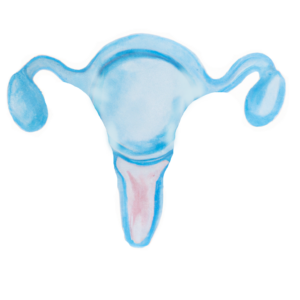
Perimenopause and menopause symptoms are caused by fluctuations in hormone levels, specifically the decline in estrogen and progesterone production. As a woman ages, her ovaries produce less of these hormones, leading to changes in the menstrual cycle and other physical and emotional symptoms.
During perimenopause, the ovaries begin to produce less estrogen, causing changes in the menstrual cycle, such as irregular periods, heavier or lighter flow, or missed periods. The fluctuation of hormones during this time can also cause other physical and emotional symptoms, such as hot flashes, night sweats, mood swings, fatigue, and changes in sexual function.
As a woman enters menopause, her ovaries have stopped producing eggs, and estrogen levels are significantly decreased. This can lead to more severe symptoms, such as vaginal dryness, thinning of the vaginal walls, and an increased risk of osteoporosis.
While the decline in estrogen production is the main cause of perimenopause and menopause symptoms, other factors such as genetics, lifestyle habits, and medical conditions can also contribute to the severity and duration of symptoms.